
Open any newspaper or magazine these days, and you find many commentaries on how we are becoming too tied to our computers and other digital devices while losing the critical connections we used to have with friends, neighbors, colleagues, and even our own family members. International best-selling author and trusted thought leader for Google School for Leaders, Charles Vogl, recently wrote the book The Art of Community. He believes wholeheartedly that strong cultures help people support one another, share their passions, and achieve big goals. As he explains, in an age filled with fewer personal connections and less time spent together, loneliness has become an epidemic that we are all painfully aware of, yet few know how to solve or even admit to.
Establishing connections at any age is crucial as it helps us to better develop our sense of self and provides the support we sometimes don’t even realize we need. Few of us take the time to really stop and ask ourselves how different our lives are now versus even five years ago and what steps we should be taking to change that.
Infants/Toddlers
More and more parents are seeing the benefits of exposing their young children to other children so they can learn to pick up social cues much faster, share toys, and gain an understanding that they can’t always have their own way. All of these skills, in turn, lead to children learning how to behave in a broader community. When children are placed in childcare settings, it also sets the stage for parents to meet and bond over common interests.
School Age
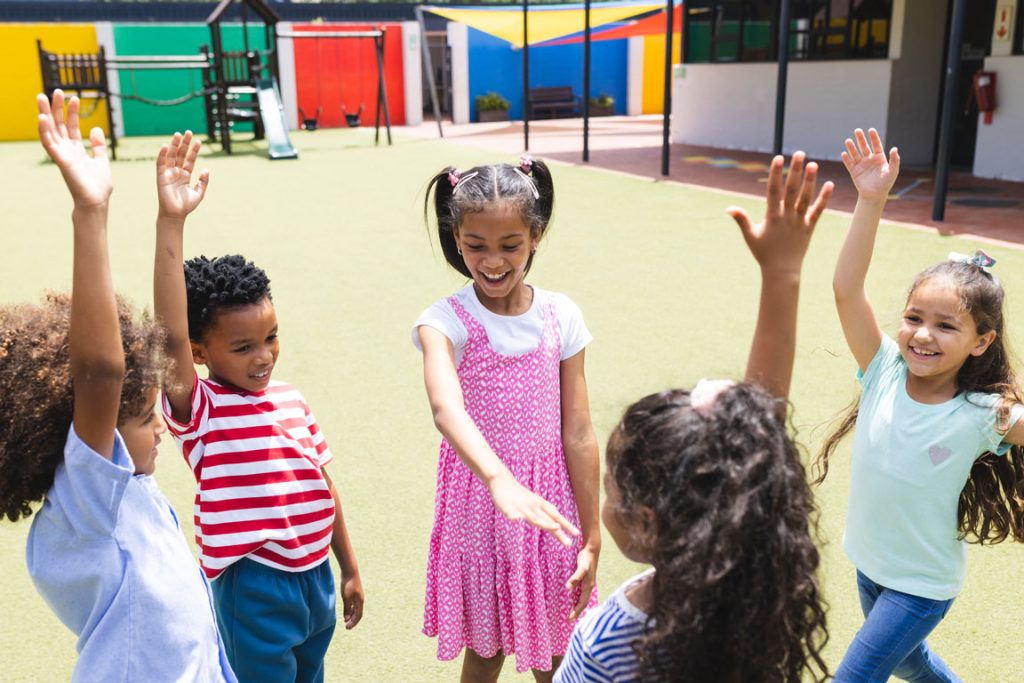
Peer pressure is at its best at this age, especially when students have immediate access to social media. It’s up to parents to continue to provide other opportunities for teens to gather in social situations where they can comfortably connect and feel like they are in a safe space to be themselves. The best advice you can give your child is to branch out at an early age and make friends in a variety of different social groups. Joining an after-school club or participating on a sports team can quickly provide a newfound sense of confidence and a ready-made community.
College Age
College students need a sense of community on campus. While they eagerly spread their wings for the first time, it can quickly get lonely on campus. Most colleges offer a bevy of social gatherings for incoming first-year students, a great way to meet new people and establish ongoing friendships. College is also a great way to explore new interests by joining clubs or other types of organizations, an easy way to become part of a new community.
Young Professionals
Many companies have come to realize that if they want their employees to succeed, they need to supply community support in many ways. It’s not just about redefining the company culture, but rather providing the right kinds of platforms where people can openly share new ideas and not feel judged. Businesses that used to focus on just the bottom line of their business are now realizing that the true key to success is to build deep community and resilient relationships that serve to foster innovation and integrity within the organization. Many have even instructed their Human Resource departments to take up the task of creating new opportunities for employees to connect socially, outside of work.

Older Adults
Most local communities provide key resources for their seniors, including libraries, senior centers, and even online opportunities where people can gather and make new friends. Many YMCAs offer special classes that are solely devoted to older citizens, while others encourage people of all ages to work out together. If you have an older adult in your neighborhood, be sure to give a friendly wave or even offer assistance with mowing their lawn or shoveling their driveway. You will both benefit from it.
If you have been working remotely or find yourself spending less quality time with friends or neighbors, now may be the time to renew your efforts to become a more active member of your community…whatever it may consist of.
