
Caring for an aging parent or loved one at home is one of the most personal and meaningful choices a family can make. For many older adults, remaining in their home, surrounded by familiar routines, memories, and people, can bring a deep sense of comfort and independence. But wellness doesn’t happen on its own. It takes daily effort and intention to help someone thrive, not just survive, in a home care setting.
Wellness in this stage of life is about more than just physical health. It’s about creating an environment that supports the whole person, their body, mind, and emotional well-being.
Creating a Rhythm That Supports the Body
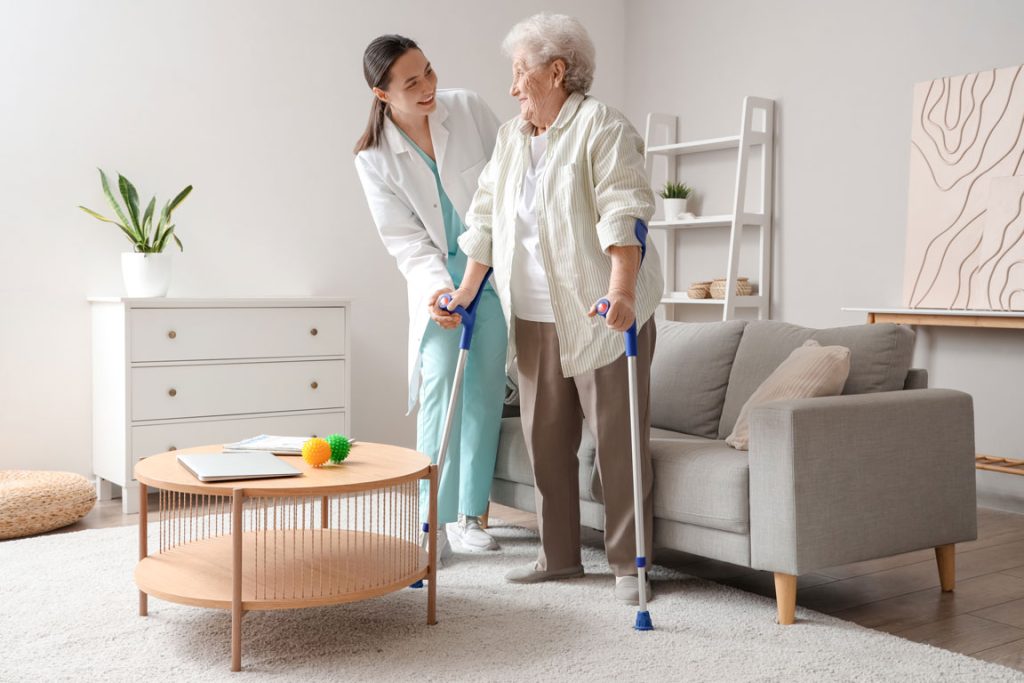
Physical well-being starts with consistency. Gentle movement each day, whether it’s a short walk, seated exercises, or light stretching, can make a big difference in strength, mobility, and balance. For someone recovering from illness or surgery, even brief activity helps preserve muscle tone and boosts circulation.
Preventing falls and injuries is equally important. That might mean rearranging furniture, installing grab bars in key areas, or simply ensuring that shoes fit well and clutter is kept off the floor.
And when it comes to sleep, keeping a regular schedule, minimizing late-day caffeine, and making the bedroom a comforting, restful environment can help restore energy and mood.

Nourishment That Feeds More Than the Body
Meals at home can be about more than nutrition. They can be grounding rituals. For many older adults, eating becomes an emotional and social experience, especially if it’s done with others or with care. When caregivers take the time to prepare simple, nourishing meals that respect dietary needs and personal preferences, it can reignite interest in food and support overall health.
Even staying hydrated, something easy to overlook, can make a significant impact on clarity of thought, joint comfort, and energy levels.
Mind and Mood, Everyday Mental Wellness
Cognitive wellness is an essential part of daily life at home. Small, consistent activities, such as reading aloud, working on a puzzle, playing music, or even recalling old stories, can help keep the mind engaged and sharp. Routine matters. It reduces confusion, provides a sense of control, and supports better mental clarity.
Emotional wellness also comes from feeling heard, valued, and connected. Gentle conversation, small acts of appreciation, and listening with patience go further than most people realize. When loved ones feel respected and included, their mood and engagement with life often improve.
Staying Connected, Staying Human
One of the challenges of aging at home is isolation. Over time, friends may stop visiting or phone calls may dwindle. But social connection is still vital. Whether through regular video calls with family, community programs for seniors, or friendly visits from neighbors, staying socially active helps combat feelings of loneliness and strengthens mental resilience.
Some families create simple rituals, such as Tuesday lunch with a daughter, weekly phone calls with a sibling, or letter-writing to a grandchild. These habits become emotional anchors.
Supporting the Support System
The well-being of the person receiving care is deeply linked to the well-being of the caregiver. If you’re a spouse, child, or hired home aide, your role is demanding, but also deeply impactful. Small moments of rest, short walks, quiet time with a book, or connecting with a support group can help restore your own sense of balance. Wellness, after all, is shared.
