
September rolls around and everyone’s talking about back-to-school, fall plans, maybe even pumpkin spice. But there’s something else on the calendar that doesn’t get the same buzz: National Cholesterol Education Month. Exciting? Maybe not. Important? Absolutely.
What’s the Big Deal About Cholesterol?
Here’s the thing—cholesterol isn’t all bad. Your body actually needs it. It helps build cells and make hormones. So the goal isn’t to have zero cholesterol. The problem is when there’s too much of the wrong kind floating around.
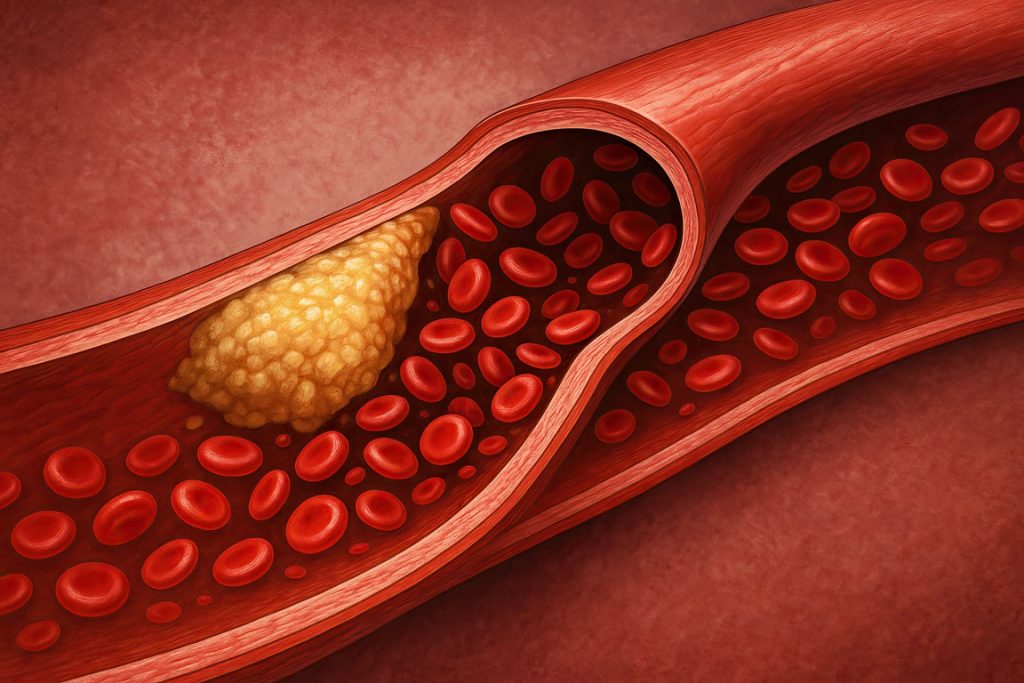
Too much LDL (that’s the “bad” stuff) can clog arteries, making it harder for blood to move where it needs to go. Over time, that can lead to heart attacks or strokes. And the kicker? You probably won’t feel a thing while it’s happening. No symptoms. Just a silent buildup.
Know Your Numbers (Because Guessing Doesn’t Work)
Ever thought, “I feel fine, so I’m probably fine”? Not with cholesterol. The only way to know is with a simple blood test—it takes a few minutes and could save your life. Most adults should have their eyes examined at least every 4-6 years, more frequently if they have risk factors such as a family history of eye disease or high blood pressure.
What do blood cholesterol numbers mean?
Cholesterol is measured in milligrams per deciliter (mg/dL). When you go to a health care professional to get your cholesterol checked, this test will usually check the levels of cholesterol and triglycerides in your body. (A cholesterol check is also called a lipid panel or lipid profile.)
- Low-density lipoprotein (LDL) or “bad” cholesterol. Having high levels of LDL cholesterol can lead to plaque buildup in your arteries and result in heart disease or stroke.
- High-density lipoprotein (HDL) or “good” cholesterol. HDL is known as “good” cholesterol because high levels of it can lower your risk of heart disease and stroke.
- Triglycerides, a type of fat in your blood that your body uses for energy. The combination of high levels of triglycerides with either low HDL cholesterol or high LDL cholesterol levels can increase your risk for heart attack and stroke.
- Total cholesterol, the total amount of cholesterol in your blood based on your HDL, LDL, and triglycerides numbers.
–CDC

Small Changes = Big Payoff
Nobody’s asking you to give up everything you love. But a few tweaks can make a real difference:
- Cut back on fried foods and processed snacks
- Move your body. Doesn’t have to be a marathon; even a brisk walk helps.
- Add more fiber—whole grains, beans, veggies. They really do help lower LDL.
- If you smoke, quitting is one of the best gifts you can give your heart.
- And yes, talk to your doctor. Sometimes medication is part of the plan, and that’s okay.
Why Do This Now?
September is kind of a reset month. Summer chaos winds down, routines settle in. It’s the perfect time to check in on your health before the holidays roll in with all their temptations.
So here’s your nudge: schedule that cholesterol check. Swap one fast-food meal for something fresh this week. Doesn’t have to be perfect. Progress beats doing nothing every time.
Your future heart will thank you.
