
It is almost never too late to start an exercise routine. Keeping physically active benefits both the mind and body, improving your quality of life and potentially extending your longevity. Learn more about starting an exercise routine as an older adult.
How Much Activity Do Older Adults Need?
According to research, older adults should do at least 150 minutes (2½ hours) a week of moderate-intensity aerobic exercise, like brisk walking or fast dancing. Being active at least three days a week is best, but doing anything is better than doing nothing at all. You should also do muscle-strengthening activities, like lifting weights or doing situps, at least two days a week. The Physical Activity Guidelines also recommend that as part of your weekly physical activity, you combine multiple components of exercises. For example, try balance training as well as aerobic and muscle-strengthening activities. If you prefer vigorous-intensity aerobic activity (like running), aim for at least 75 minutes a week.
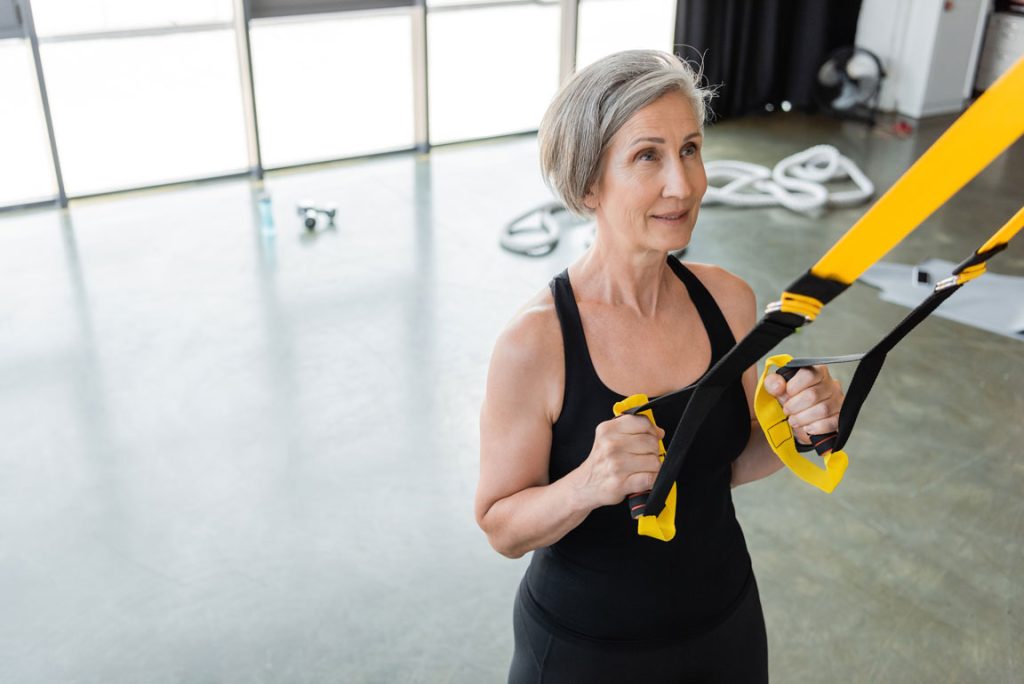
Pace Yourself
When starting an exercise routine, it is essential to increase the intensity of your workout slowly. Gradually building on your workout routine helps prevent injury and other potential medical problems. There are various ways to pace yourself, including:
- Begin your physical activity with a low-intensity warmup
- Stay hydrated before, during, and after your exercise sessions
- Select and wear fitness attire conducive to the physical activity and your body type
- Be aware of your surroundings
The Four Primary Types of Exercise
Endurance Exercise
Endurance activities, often referred to as aerobic, increase your breathing and heart rates. These activities help keep you healthy, improve your fitness, and help you perform the tasks you need to do every day. Endurance exercises improve the health of your heart, lungs, and circulatory system. They also can delay or prevent many diseases that are common in older adults such as diabetes, colon and breast cancers, heart disease, and others.
Strength Exercise
Your muscular strength can make a big difference. Strong muscles help you stay independent and make everyday activities feel easier, like getting up from a chair, climbing stairs, and carrying groceries. Keeping your muscles strong can help with your balance and prevent falls and fall-related injuries. You are less likely to fall when your leg and hip muscles are strong. Some people call using weight to improve your muscle strength “strength training” or “resistance training.”
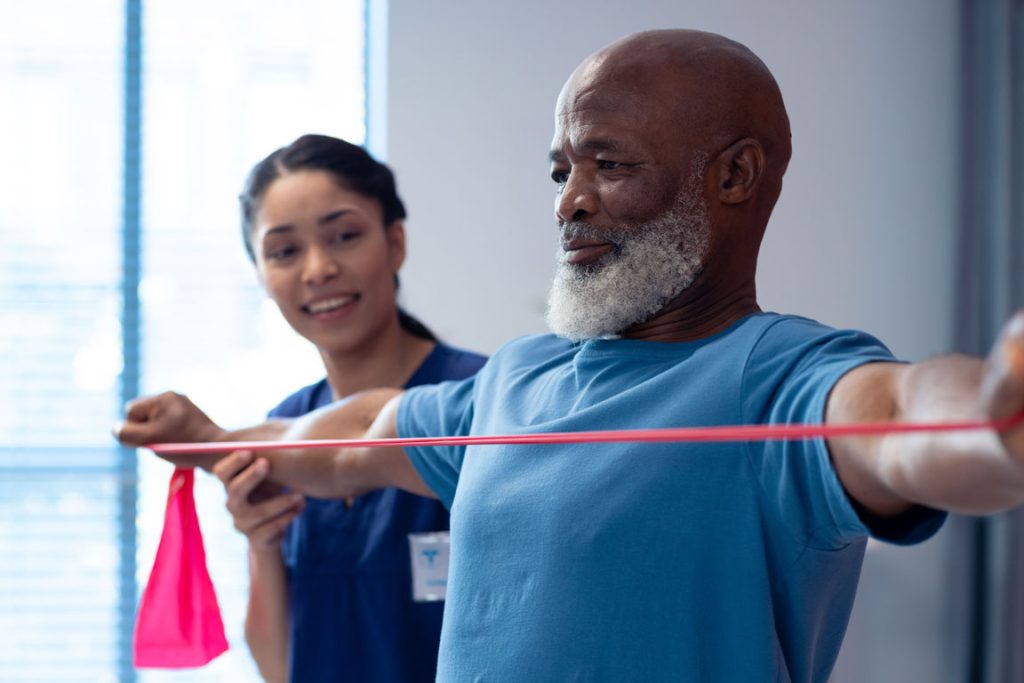
Balance Exercise
Balance exercises are one of the best ways to prevent falls, slips, and trips. There are a variety of beneficial balance exercises, including:
- Heel-to-toe walking
- Balancing on one foot
- Tai Chi
- Getting up from a seated position
Flexibility Exercise
Flexibility exercises are essentially stretches, enabling you to move your body freely and comfortably. Just be sure not to stretch to the point of pain.
